
Portable solar panel lead voltage drop calculator
Parking in the shade and running a long lead out to a solar blanket in the sun is a good idea until the lead eats the gain. Enter the panel current and the lead length to see what is lost on the way to the battery.
| Cable | Copper | Drop | Arrives |
|---|
Formula: drop = 2 × length × amps × 0.0172 ÷ copper area in mm² (copper at 20 °C; expect a little more when the cable is hot). Copper areas are typical figures for Australian cable and vary slightly by maker.
Which current to use
Use the panel's maximum power current, shown as Imp on its label. A 200 W blanket is around 10 to 11 A.
Regulator on the panel or at the battery
If the regulator is on the back of the panel, the lead carries battery voltage and drop directly slows charging, so set the voltage to 12. If the regulator is at the battery, the lead carries the higher panel voltage, around 18 V for a typical 12 V panel, and the same lead loses a smaller share. For that case the percentage shown here is on the pessimistic side.
Move the regulator if you can
With a long lead, a regulator mounted near the battery reads the battery voltage properly and wastes less. Many folding kits let you bypass the built in regulator for this reason.
Polarity on solar Anderson plugs
Some vehicles and panels are wired with the Anderson plug reversed. Check polarity with a multimeter before plugging a new panel into an existing lead.
Made for this plug
A solar inlet Anderson plug sits open to dust and rain most of the year. A cap costs less than a new set of contacts.
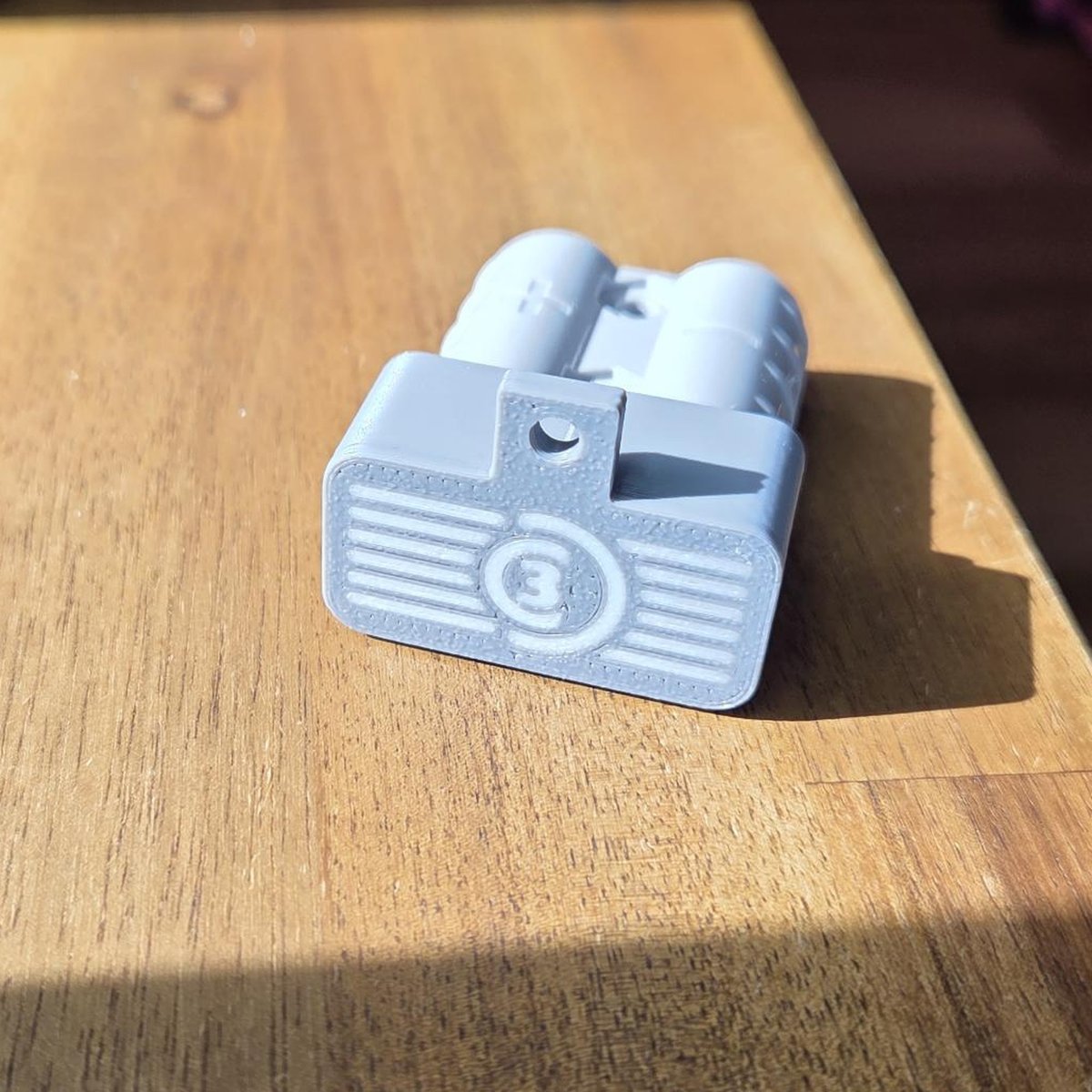 Anderson Plug 50A Dust CapKeeps dust and water out of a loose 50 A Anderson plug. Snap on fit, lanyard tab, UV stable ASA.$12.95 · free postage Australia wideBuy on Etsy
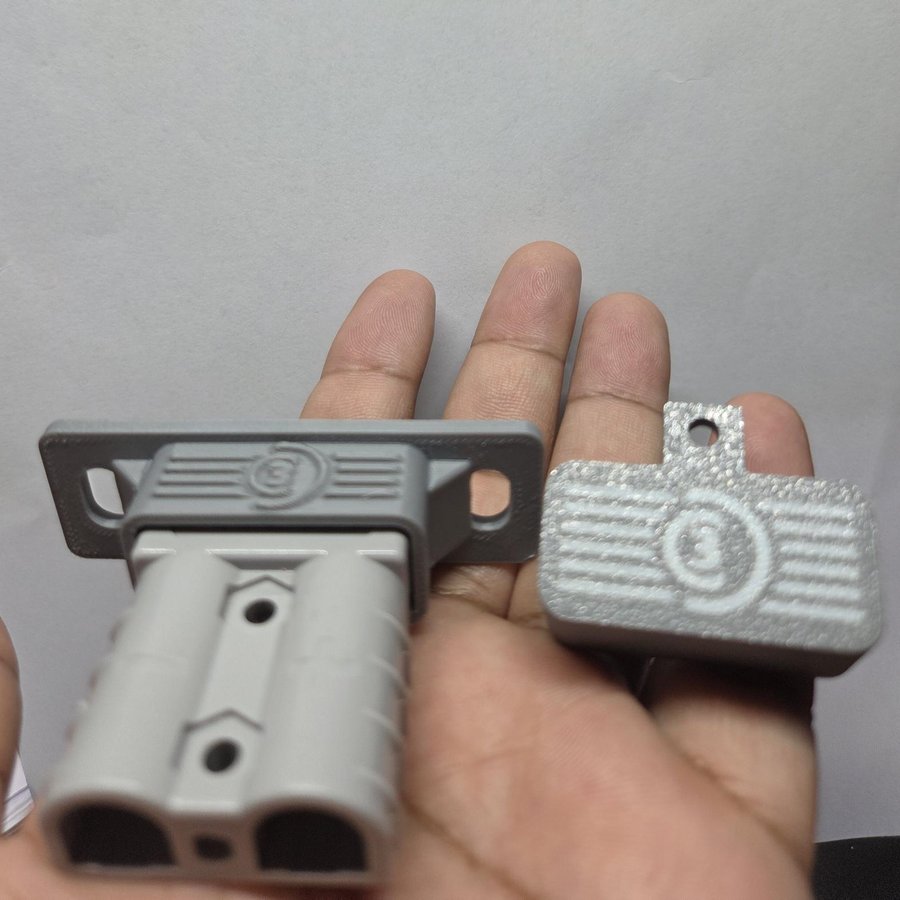 Anderson Plug Holder / Parking BracketParks the loose Anderson lead on the drawbar or A-frame so the contacts are not dragging in the dirt.$19.95 · free postage Australia wideBuy on Etsy