
DC-DC charger cable size calculator
A DC-DC charger in the van or canopy pulls more current at its input than it delivers at its output, and the cable run from the start battery is usually the longest in the vehicle. Enter the charger input current and the one way length to see what you lose on the way there.
| Cable | Copper | Drop | Arrives |
|---|
Formula: drop = 2 × length × amps × 0.0172 ÷ copper area in mm² (copper at 20 °C; expect a little more when the cable is hot). Copper areas are typical figures for Australian cable and vary slightly by maker.
Use input current, not the charger rating
A 40 A charger can draw noticeably more than 40 A at its input, more again when input voltage sags. Use the maximum input current from the charger manual. If you do not have it, adding about 15 percent to the rated output is a reasonable first pass.
Tow vehicle to van adds up fast
Start battery to the rear Anderson plug is often 5 to 7 m, then drawbar and van add several more. Add both sections together for the one way length.
The charger maker's cable chart wins
DC-DC chargers boost a sagging input, so they tolerate more drop than a fridge does, which is why this page starts at a 10 percent limit. Even so, every maker publishes minimum cable sizes for a given run. If their chart asks for heavier cable than this calculator suggests, follow the chart.
Smart alternators
Many newer vehicles drop alternator voltage to save fuel. Extra cable loss on top of that can stop some chargers from starting, which is one more reason not to undersize the feed.
Made for this plug
The Anderson lead that feeds the charger spends half its life unplugged. Give it somewhere to live.
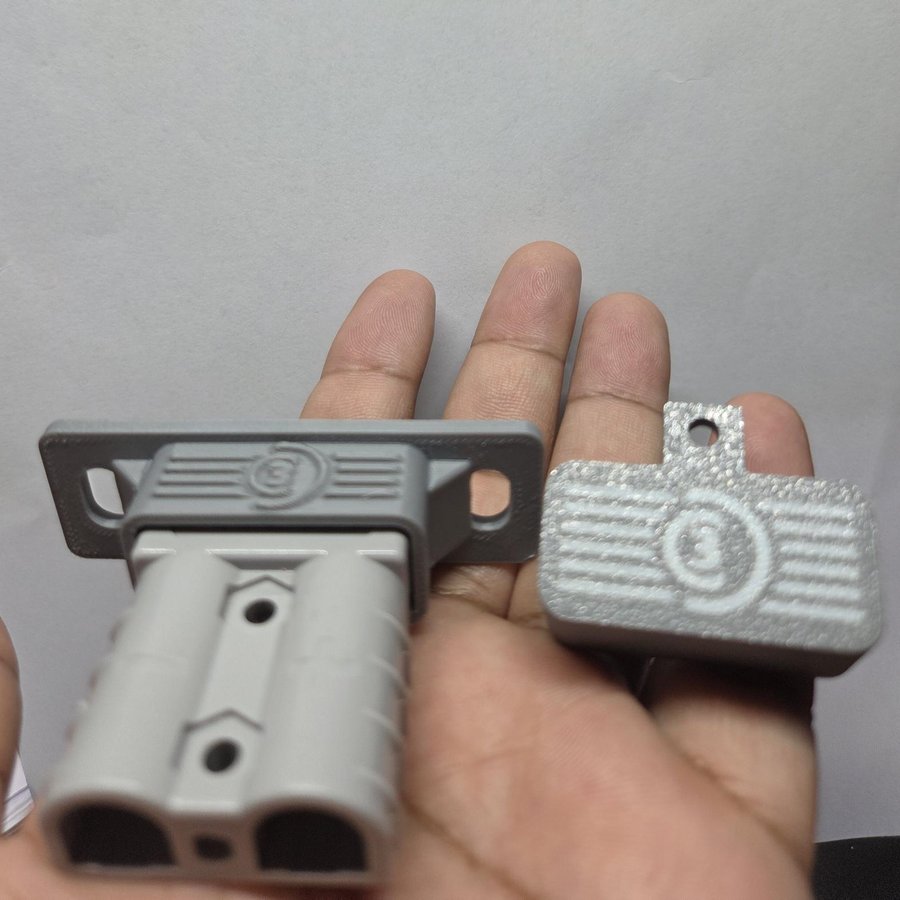 Anderson Plug Holder / Parking BracketParks the loose Anderson lead on the drawbar or A-frame so the contacts are not dragging in the dirt.$19.95 · free postage Australia wideBuy on Etsy
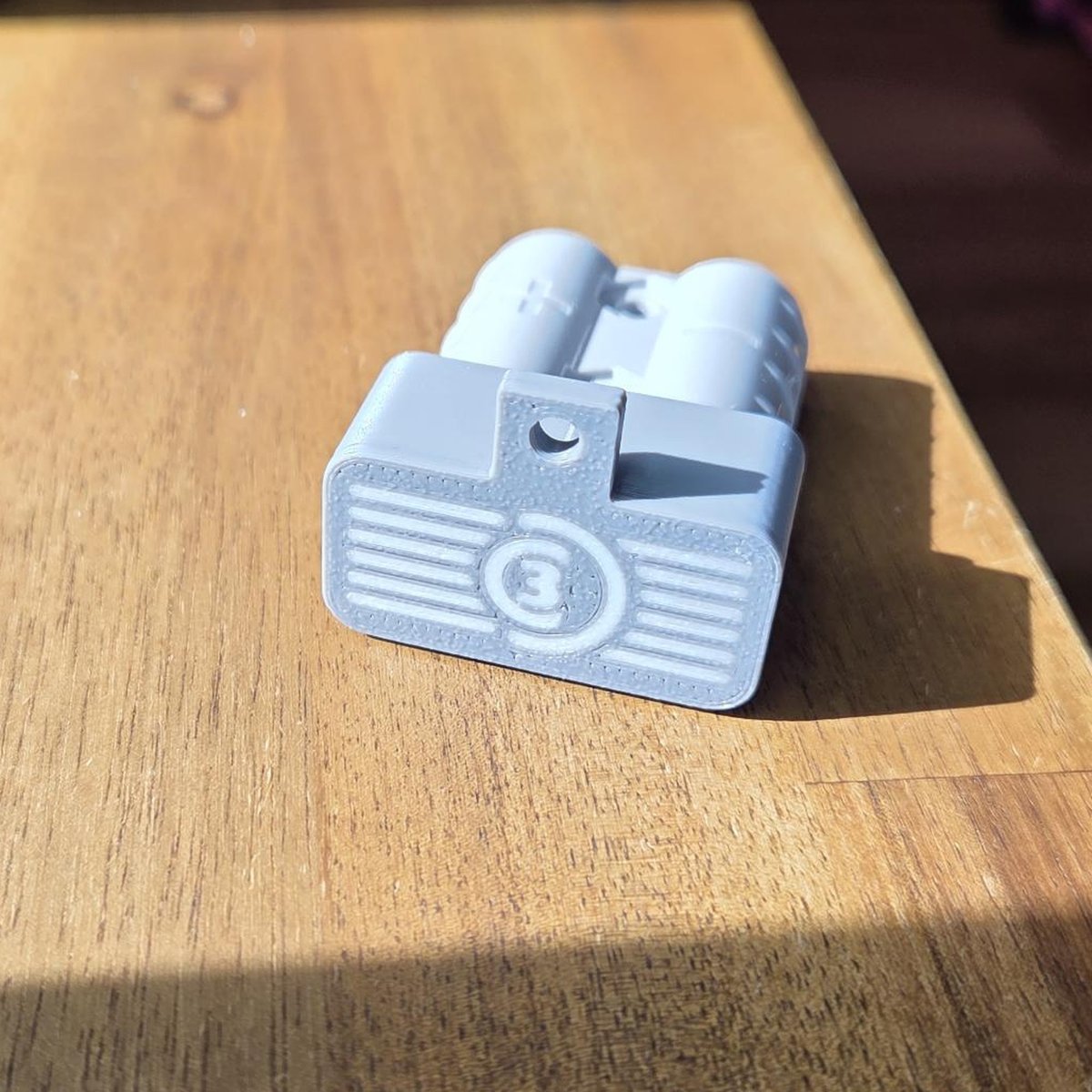 Anderson Plug 50A Dust CapKeeps dust and water out of a loose 50 A Anderson plug. Snap on fit, lanyard tab, UV stable ASA.$12.95 · free postage Australia wideBuy on Etsy